AI, Intelligence, and Modern Warfare: What the Khamenei Tracking Reports Reveal
Author
Sumit Patel
Published
March 21, 2026
Read Time
8 min read
Artificial intelligence is rapidly transforming many industries, but one of the most controversial areas of its application is national security and military intelligence. Recent reports circulating online claim that artificial intelligence systems helped identify the location of Iran’s Supreme Leader, Ayatollah Ali Khamenei, enabling a military strike. While many social media posts exaggerate the story, the discussion has sparked an important question: how is AI actually being used in modern intelligence operations? This article examines the reports, separates facts from speculation, and explores the broader role of AI in modern warfare.
The Reports Circulating Online
In recent weeks, several online discussions and social media posts have suggested that U.S. intelligence agencies used advanced artificial intelligence systems to determine the precise location of Iran’s Supreme Leader. According to these claims, AI systems similar to modern large language models were used to analyze surveillance data and identify the movements of high-value targets.
- Analyze massive intelligence datasets collected from multiple sources
- Process large volumes of surveillance camera footage
- Study movement patterns of high-value targets
- Predict possible meeting locations
- Combine signals intelligence with geographic tracking data
How AI Is Actually Used in Intelligence Operations
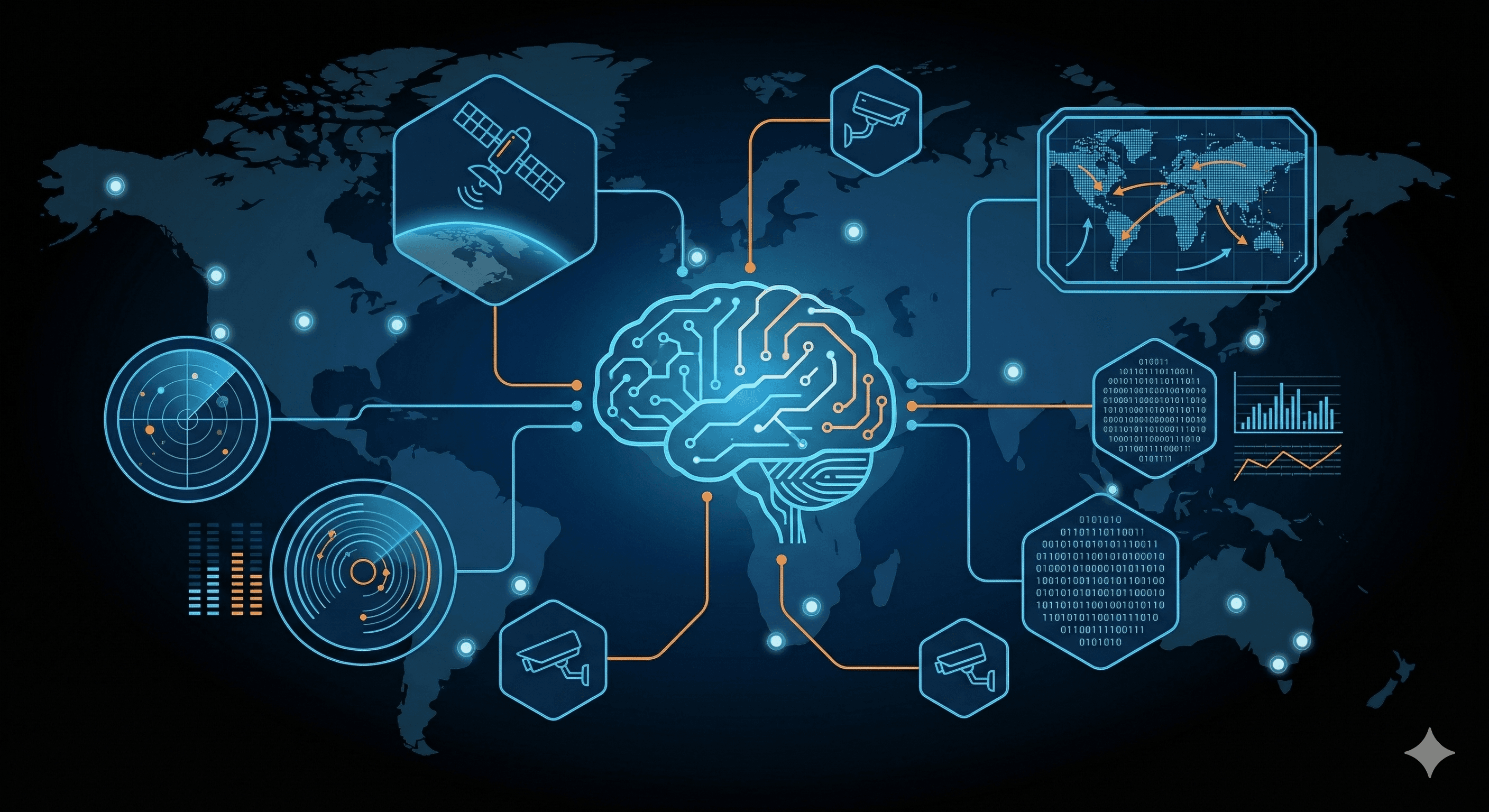
Artificial intelligence is increasingly used by intelligence agencies because modern surveillance generates enormous volumes of data. Governments collect information from satellites, communication networks, and digital signals every day. Processing such massive datasets manually would take enormous time and resources. AI systems help analysts process and interpret this data more efficiently.
- Satellite imagery analysis
- Intercepted communication processing
- Traffic camera monitoring
- Geolocation signal tracking
- Travel and movement pattern analysis
Key AI Capabilities in Intelligence Analysis
Pattern Recognition
Machine learning algorithms can detect patterns in large datasets that humans might miss. For example, AI can analyze historical travel records, identify recurring routes, and detect unusual behavioral changes that may indicate an important meeting or movement.
Predictive Analysis
Predictive modeling allows intelligence systems to estimate where a target may appear next. By analyzing previous movement patterns, known associates, and historical meeting locations, AI can suggest possible future locations.
Image and Video Analysis
Computer vision technology can scan thousands of hours of surveillance footage quickly. AI systems can identify faces, vehicles, landmarks, and geographic features connected to intelligence targets.
Data Correlation
AI can combine multiple intelligence sources into a unified analysis. Satellite data, camera feeds, intercepted signals, and location data can be correlated to build a clearer operational picture for analysts.
AI Is Not Pulling the Trigger
One of the most important concepts in modern military systems is the principle of the 'human in the loop'. Even when artificial intelligence systems assist with intelligence gathering, critical decisions remain under human control. Military commanders and intelligence analysts are responsible for verifying information and authorizing operations.
- Confirming target identity
- Validating intelligence data
- Approving military operations
- Authorizing military strikes
Why AI Is Becoming Central to Warfare
The growing role of AI in military operations is driven by several technological and strategic factors. Modern intelligence environments generate enormous volumes of data that require advanced analytical tools.
- Explosion of data generated by surveillance systems
- Need for faster decision-making in military operations
- Improved precision in identifying targets
- Strategic advantages in intelligence and planning
- Ability to process global information in real time
Global Investment in Military AI
Countries around the world are investing heavily in artificial intelligence for defense purposes. These investments include research in autonomous systems, surveillance technologies, and AI-assisted intelligence platforms.
- United States expanding AI-based intelligence programs
- China investing in large-scale military AI research
- European nations developing AI-supported defense systems
- Private technology companies collaborating with defense agencies
Ethical Concerns and Global Debate
The use of AI in warfare has sparked global debates among researchers, policymakers, and international organizations. Critics warn that excessive reliance on algorithms could introduce risks if systems produce inaccurate conclusions or if automated decisions are made without proper oversight.
- Risk of algorithmic errors in intelligence analysis
- Concerns about reduced accountability in military operations
- Fear of autonomous weapons systems in the future
- Calls for international regulations on AI-assisted warfare
Separating Fact from Online Hype
The viral discussions about AI identifying high-profile leaders highlight how quickly technology stories can spread online. In many cases, social media posts simplify or exaggerate complex technological systems. Understanding the actual capabilities of artificial intelligence helps prevent misinformation.
- AI primarily assists analysts rather than replacing them
- Human decision-makers still approve military actions
- Military strikes rely on conventional weapons systems
- Online claims often exaggerate the role of AI
Comparison: AI Roles in Military Intelligence
| ai function | description | human role |
|---|---|---|
| Data Processing | Analyzes massive datasets from multiple intelligence sources | Verify and interpret the analysis |
| Image Recognition | Identifies faces, vehicles, and locations in surveillance footage | Confirm target identity |
| Predictive Analysis | Predicts possible future movements based on patterns | Evaluate likelihood and context |
| Intelligence Correlation | Combines multiple data sources into a unified analysis | Approve operational decisions |
Frequently Asked Questions (FAQ)
There is no verified evidence that AI independently tracked or attacked the leader. Reports suggest that AI may assist intelligence analysis, but human analysts make operational decisions.
AI helps process large datasets, analyze surveillance images, identify patterns in movement, and combine information from multiple intelligence sources.
In most modern defense systems, humans remain responsible for approving military actions. AI typically functions as a decision-support system.
AI enables faster data analysis, improved situational awareness, and more efficient intelligence operations.
Yes. Many experts worry about algorithmic errors, accountability issues, and the development of autonomous weapons systems.
Final Thoughts
The discussions surrounding AI and the alleged tracking of Iran’s Supreme Leader highlight how artificial intelligence is reshaping the landscape of intelligence and modern warfare. While many online reports exaggerate the role of AI, the technology is undeniably becoming an essential tool for analyzing large volumes of surveillance data and supporting intelligence operations. AI systems accelerate analysis, reveal hidden patterns, and help governments respond more quickly to global threats. However, these systems still operate under human supervision, and critical military decisions remain in human hands. As AI technologies continue to evolve, the global community will need to balance technological advancement with ethical responsibility. The role of AI in warfare is likely to expand, making transparency, regulation, and human oversight increasingly important for global security.